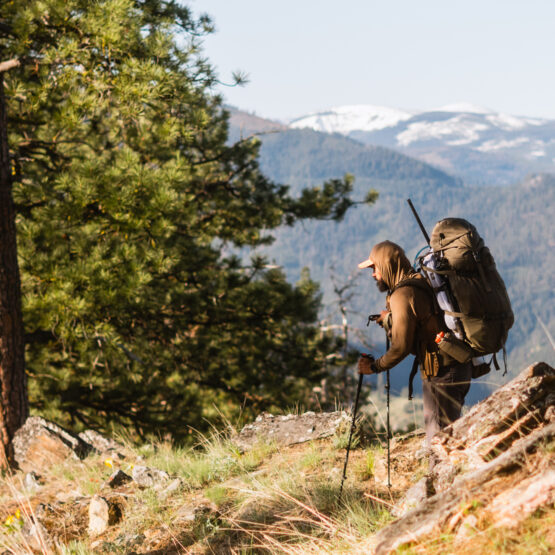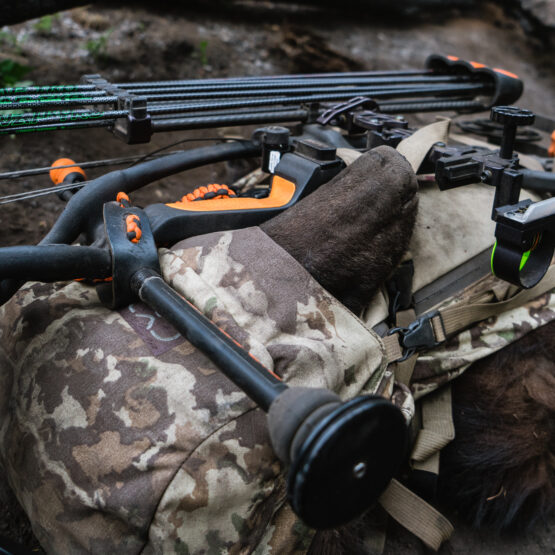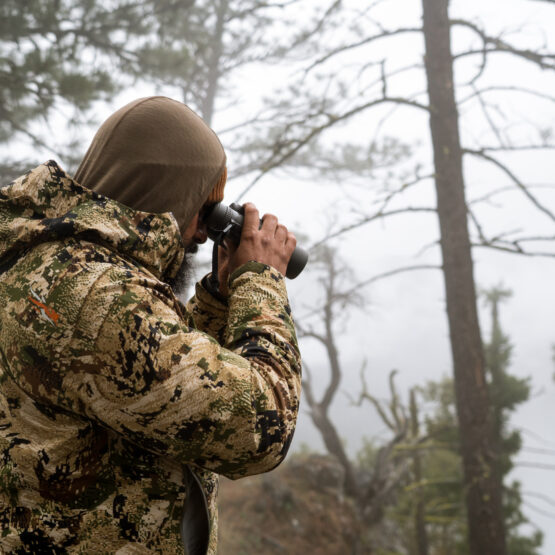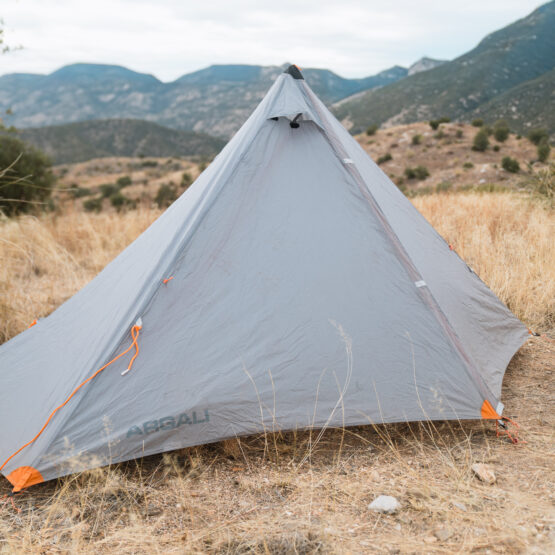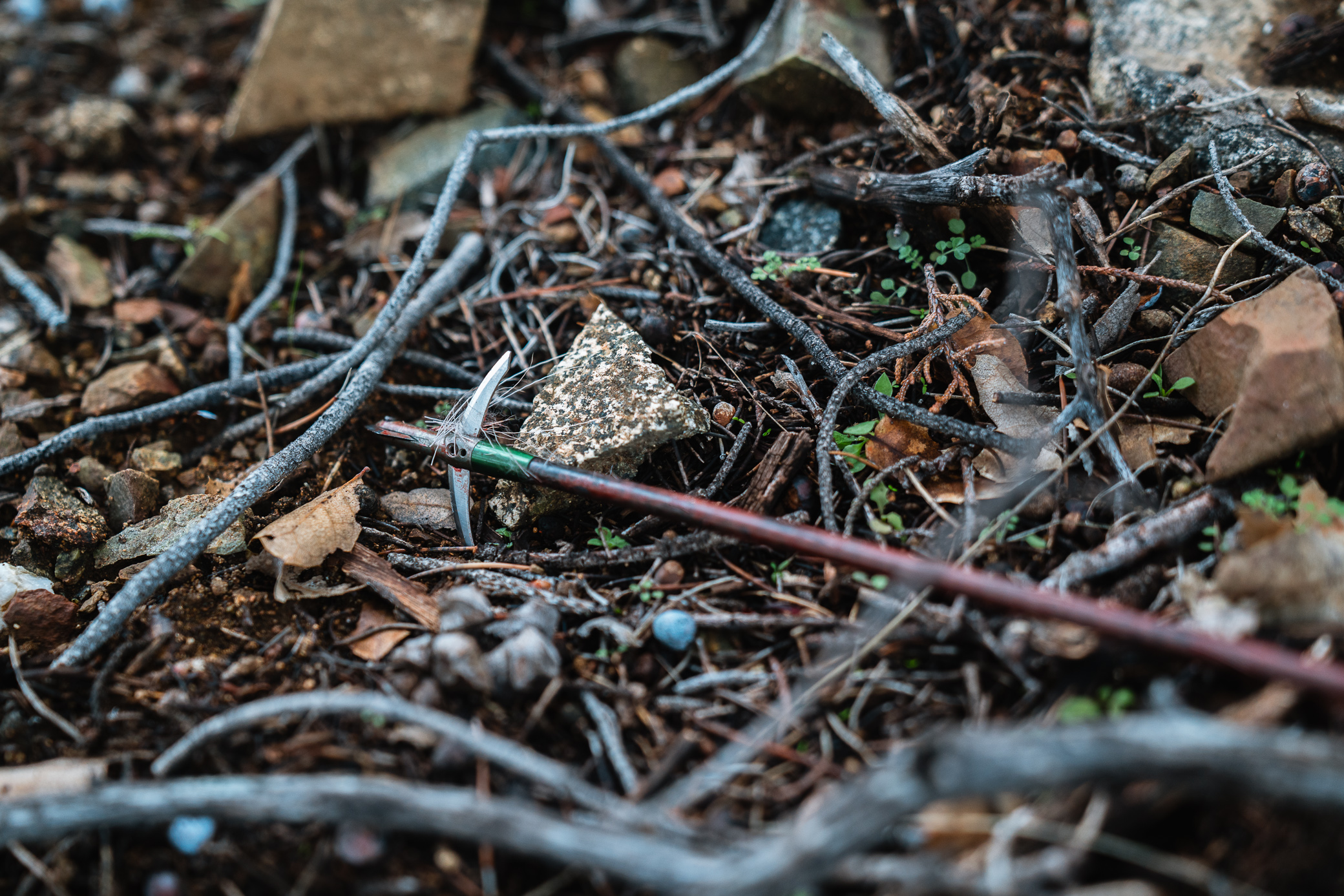
Earlier in 2025, I did a video going over my 2025 Arrow Setup. Now that 2025 is nearing its close, I wanted to touch base on how everything worked. In short, things worked out fantastically, but I will be making ONE minor change. Here, I want to tell you why and why this will also be my arrow setup going into 2026.
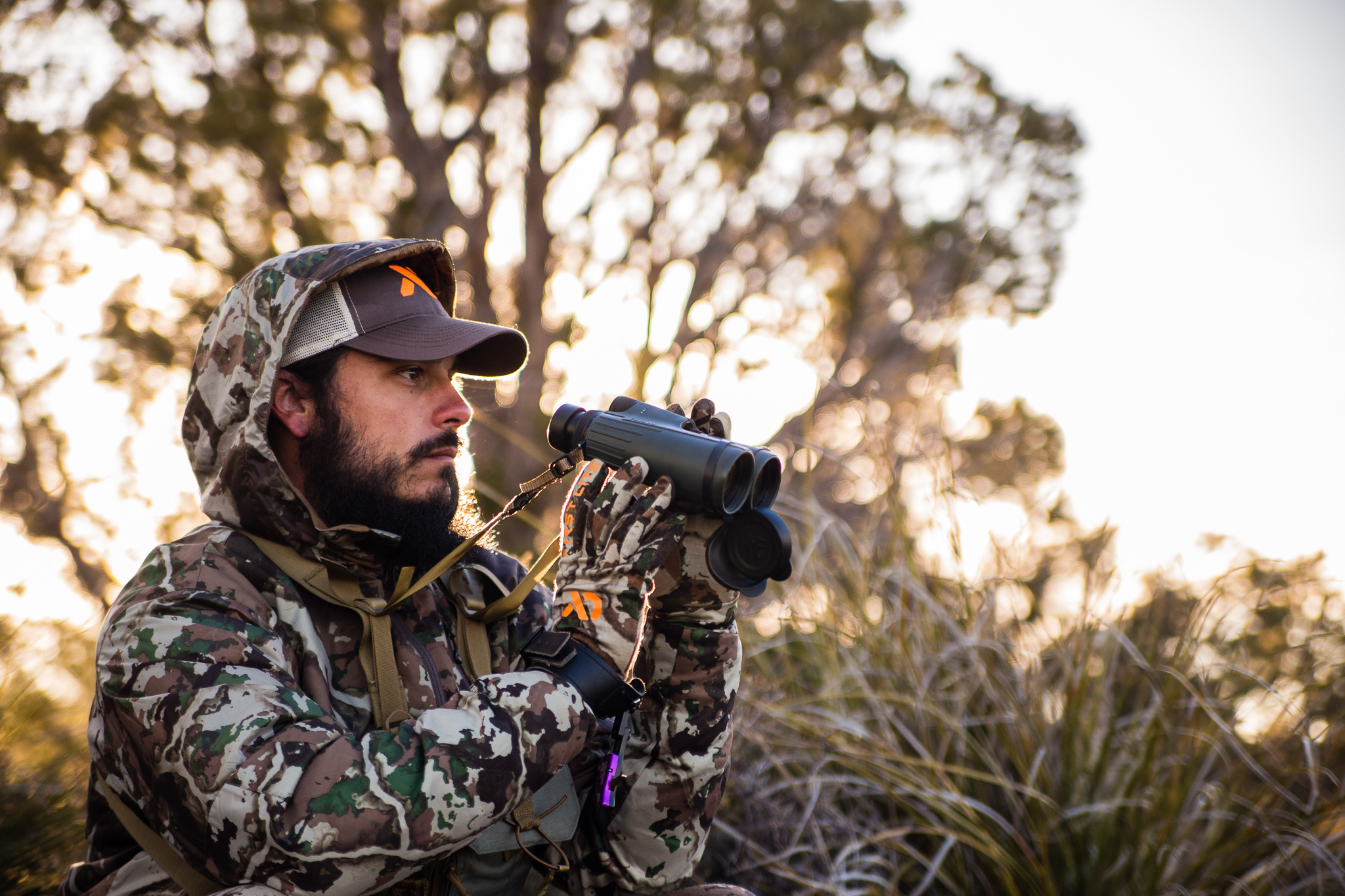
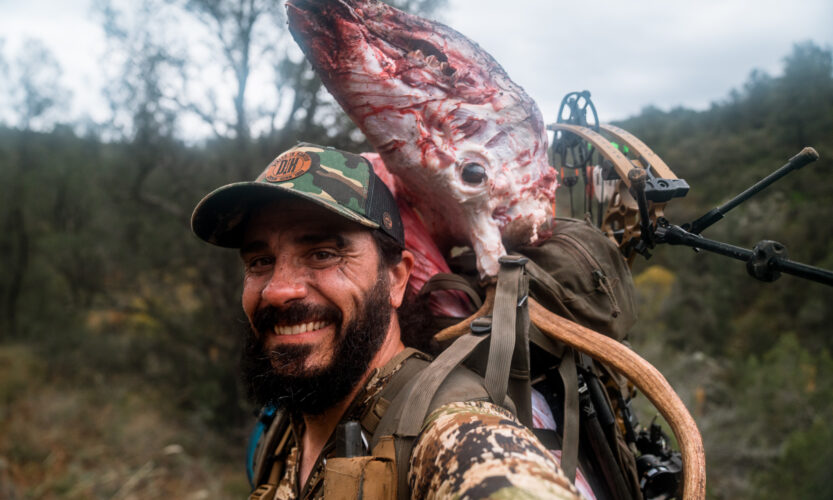
First and foremost, Merry Christmas! It’s December 23rd as I sit here and write this. My house is decorated, there are presents under the tree, and my 5 year old daughter is doing everything she can to stay on the nice list, haha. Aside from that, I wanted to share my latest hunting film with you. It’s about hunting bull elk in Arizona with a bow and I think you’ll really enjoy it!
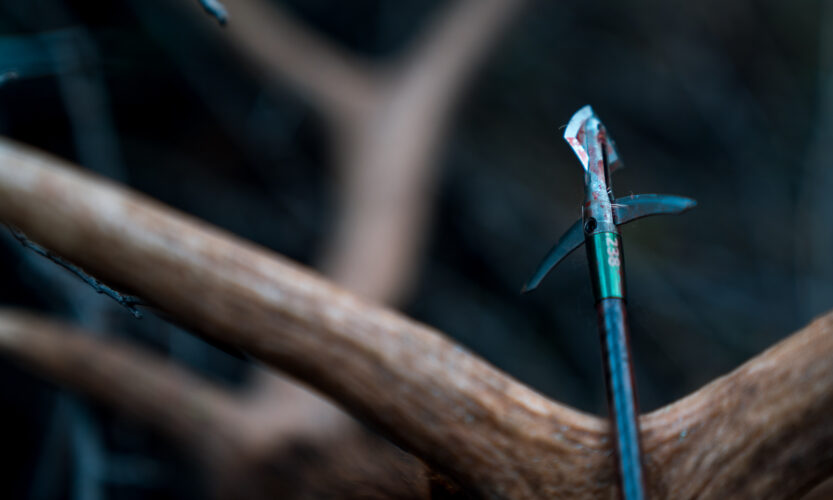
2025 came with no shortage of gear testing. From the mountains to the desert, I got the opportunity to put equipment through the paces. Throughout that time, there were some standouts that I find myself continuously reaching for. This is what I want to share with you today!
These are in no particular order. Some of them are new for 2025, and some of them honestly just even more solidified their place within my system.
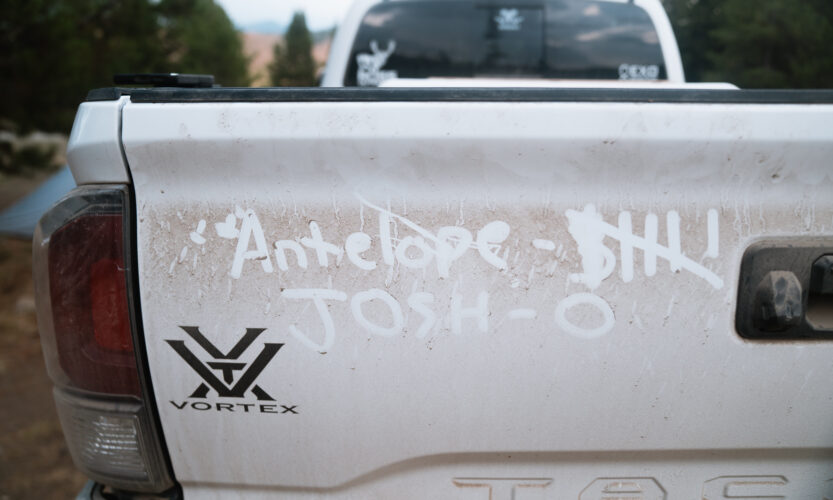
Just a few days have passed since I went on my first pronghorn hunt. It was an out-of-state archery hunt and one that I looked forward to immensely. I did a fair amount of e-scouting, had a great plan, but honestly didn’t have the foggiest idea of what I was doing. Since it was my first time ever chasing pronghorn, I wanted to ultimately just learn about this new species and the country they called home. I did just that and have some great takeaways.
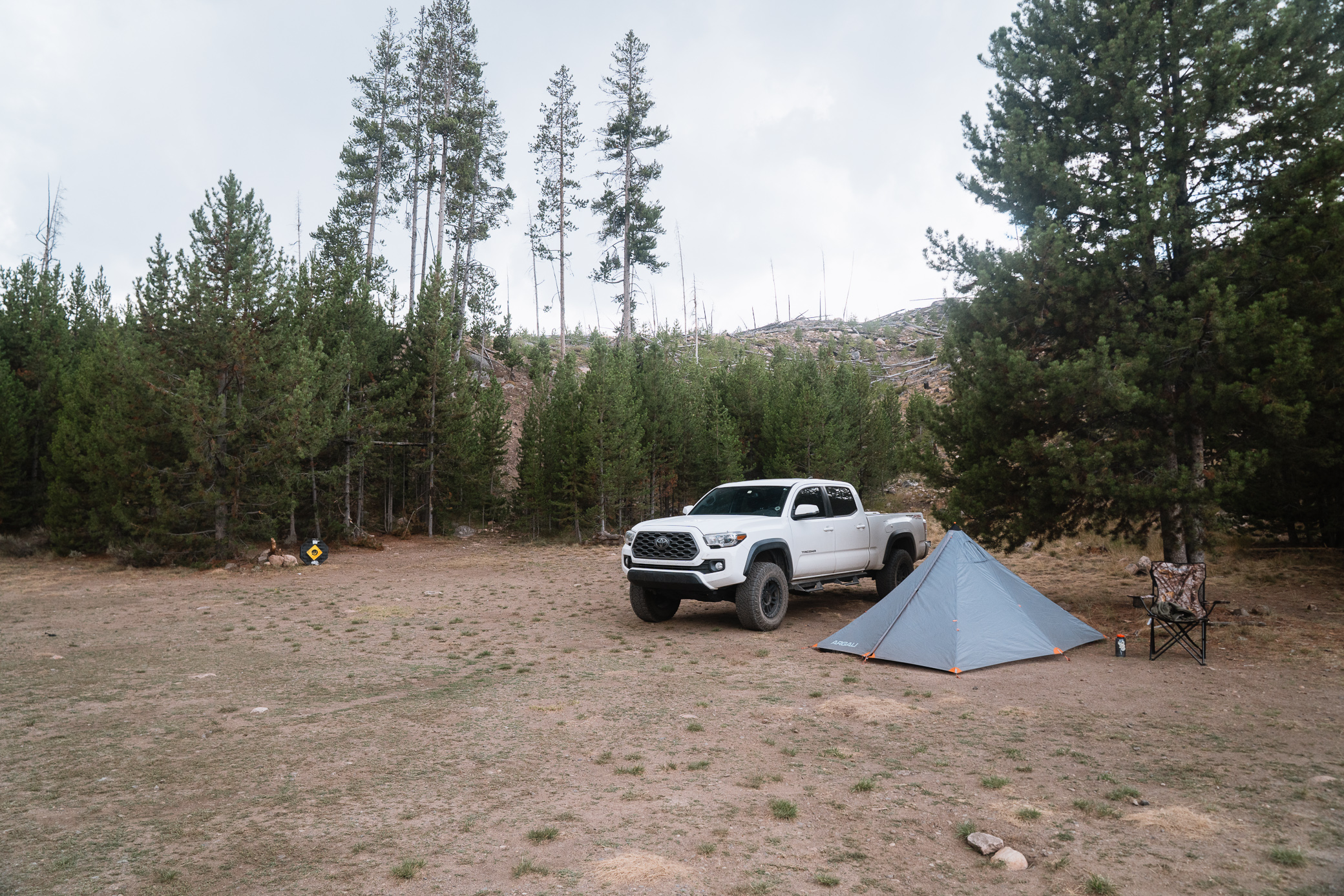
I quite literally could not have done this hunt without the onXhunt app. There was a ton of private ground around me, and being able to see where I stood in relation to those boundaries was absolutely essential to staying legal out there.

Throughout my entire time in pronghorn country, I was constantly amazed at how curious pronghorn were. So much so that I remember thinking if other animals had the curiosity of pronghorn, bowhunting wouldn’t be as hard as it is.
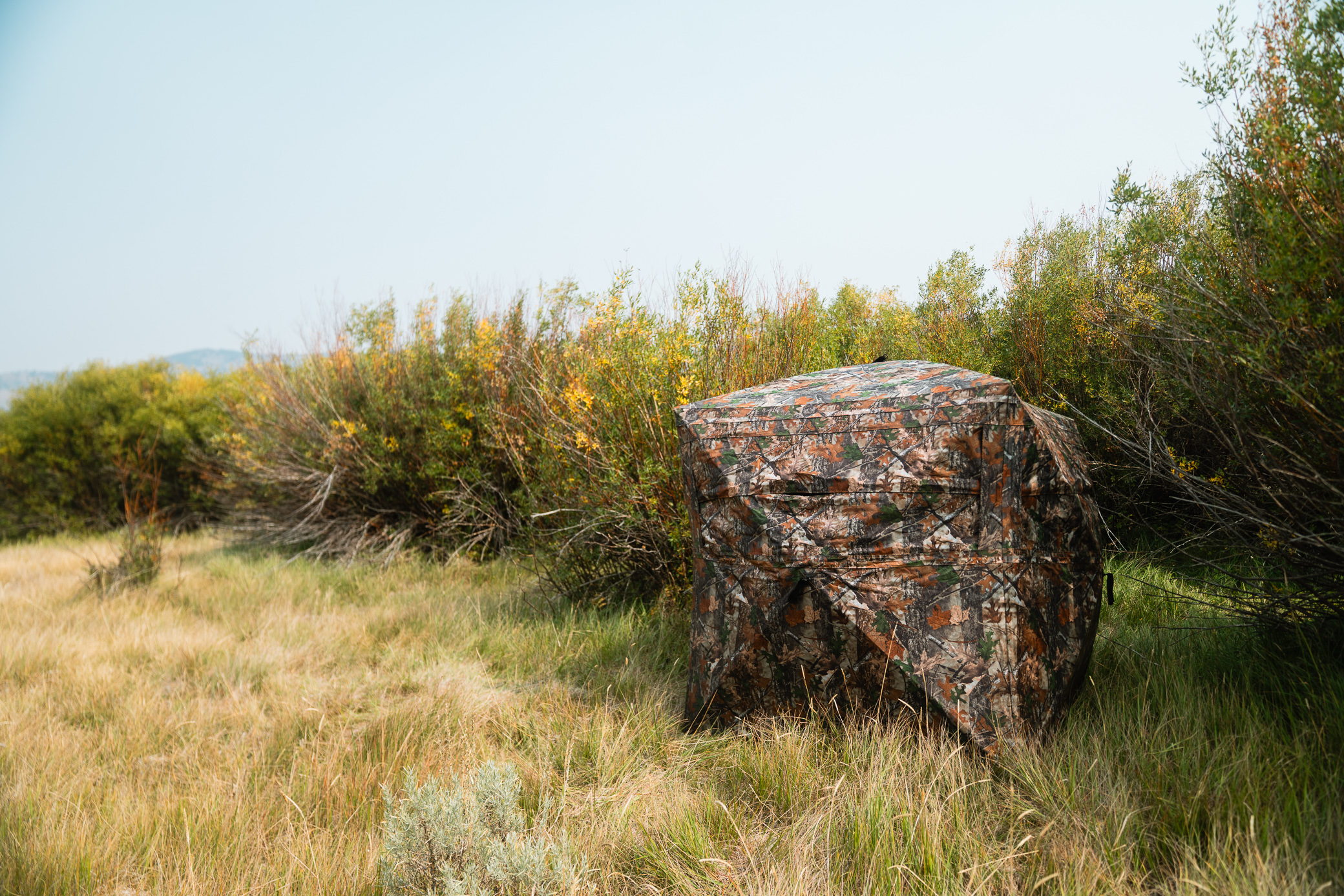
On several occasions, I had bucks come to me. I had no decoy, funny hat, or white rag waving in the air. They were purely curious about what I was. Bucks would stare at me, take a few steps, stare more, and repeat. This curiosity pulled several bucks into bow range for me, but once I drew back, they’d leave in a hurry.
Because of this, I will for sure be using a bow-mounted decoy the next time I go pronghorn hunting. They say curiosity killed the cat. I think curiosity could also kill the pronghorn, though.
The number one defense mechanism for a pronghorn is their eyes. It’s why they like hanging out in open country. They want to see what’s around them at all times, unlike a deer, elk, or bear that wants to bury themselves in cover to not be seen. This is not the case with pronghorn.
With other animals, what usually busts me on stalks is a change in wind direction. Wind didn’t seem to bother the pronghorn that much. I think they were aware of it, but it wasn’t at the top of their alerts to danger. They can see 270 degrees around them, though, which explains the times I was busted and didn’t know why at the time. Now, I know they were indeed seeing me. Fool this animal’s eyes and you can get into bow range.
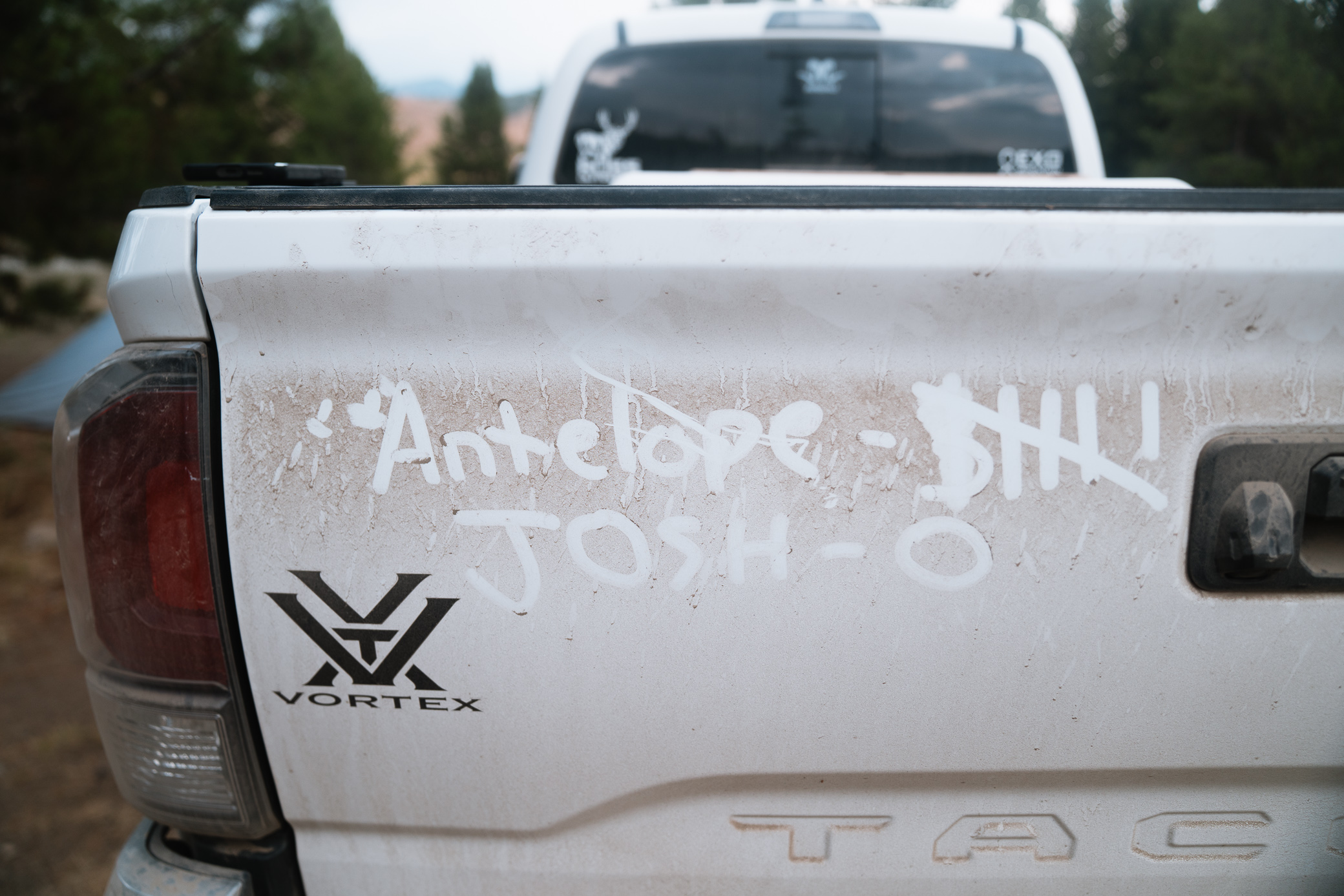
Stalking pronghorn bucks is some of the most finicky stalking I’ve ever done. I archery hunt coues deer a lot and have done so successfully for many years. That stalking is fairly easy compared to stalking pronghorn. And I really think that is because of the landscape. With coues deer, I have much more cover. Trees, topography, cacti, boulders, etc. With pronghorn, there is dang near nothing but sage to cover your movements.
Every stalk for pronghorn found me either on my hands and knees or on my belly. I also learned that stalking them on their feet isn’t a great idea. So, I looked for bucks bedded. This proved to be the most successful way to stalk into bow range. I’d put the tallest piece of sage I could between me and their eyes.
This next bit is a hard one for me to write and somewhat of a sour spot in my hunt. Over the course of 8 days, I missed 4 pronghorn bucks. Yes, I got 4 chances to bend the limbs back on this highly jumpy big game animal. For that, I am proud. The reason for the misses, I am not proud in the least.
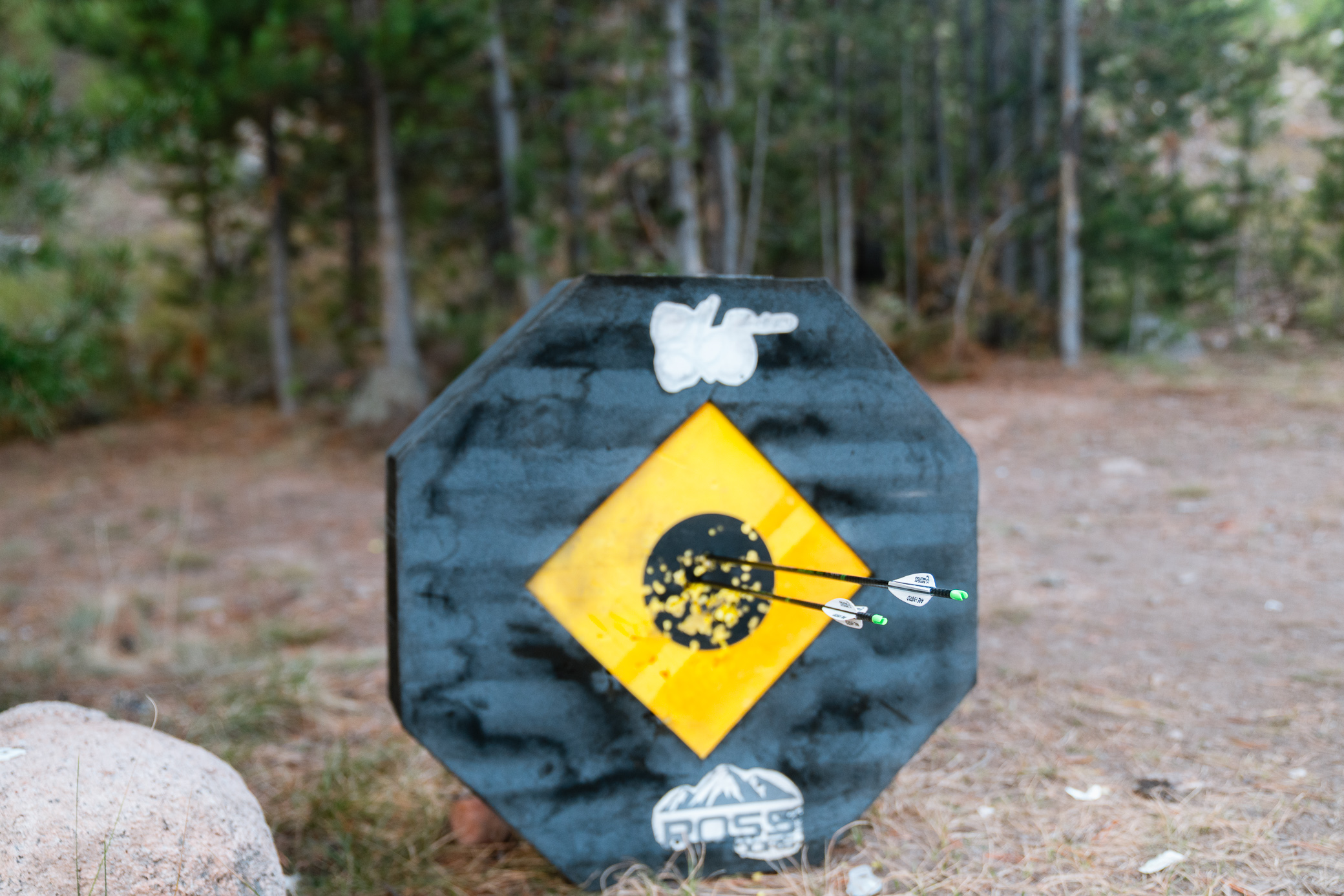
I shot my bow the morning after I got to camp, and everything was fine. Broadheads were dead center out to north of 70 yards. At some point during the trip, though, things changed. My first few misses I attributed to string jumping. It was the next one that threw me for a loop and caused me to really start digging for answers.
My string decided to stretch during the hunt. I have been shooting this bow since the springtime and had thought that the possibility of string stretch was long gone. I was sorely wrong. After further investigation, my broadheads were now 1 foot to the left at 60 yards. String stretch moves everything. Nock height, cam timing, draw weight, etc. In other words, it throws you out of tune. This, without a doubt, cost me my 2025 pronghorn buck.
The reason I say I’m not proud of this tuning issue is that I know better. I should have checked all of my specs before I left, but I didn’t. I just knew that my arrows were hitting where I wanted them to. My suspicion, though, is that I had the stretch going on before I left, as I missed a mule deer buck and experienced some random tuning inconsistencies at home. It was a hard lesson, but a lesson learned for the betterment of my bowhunting in the future.
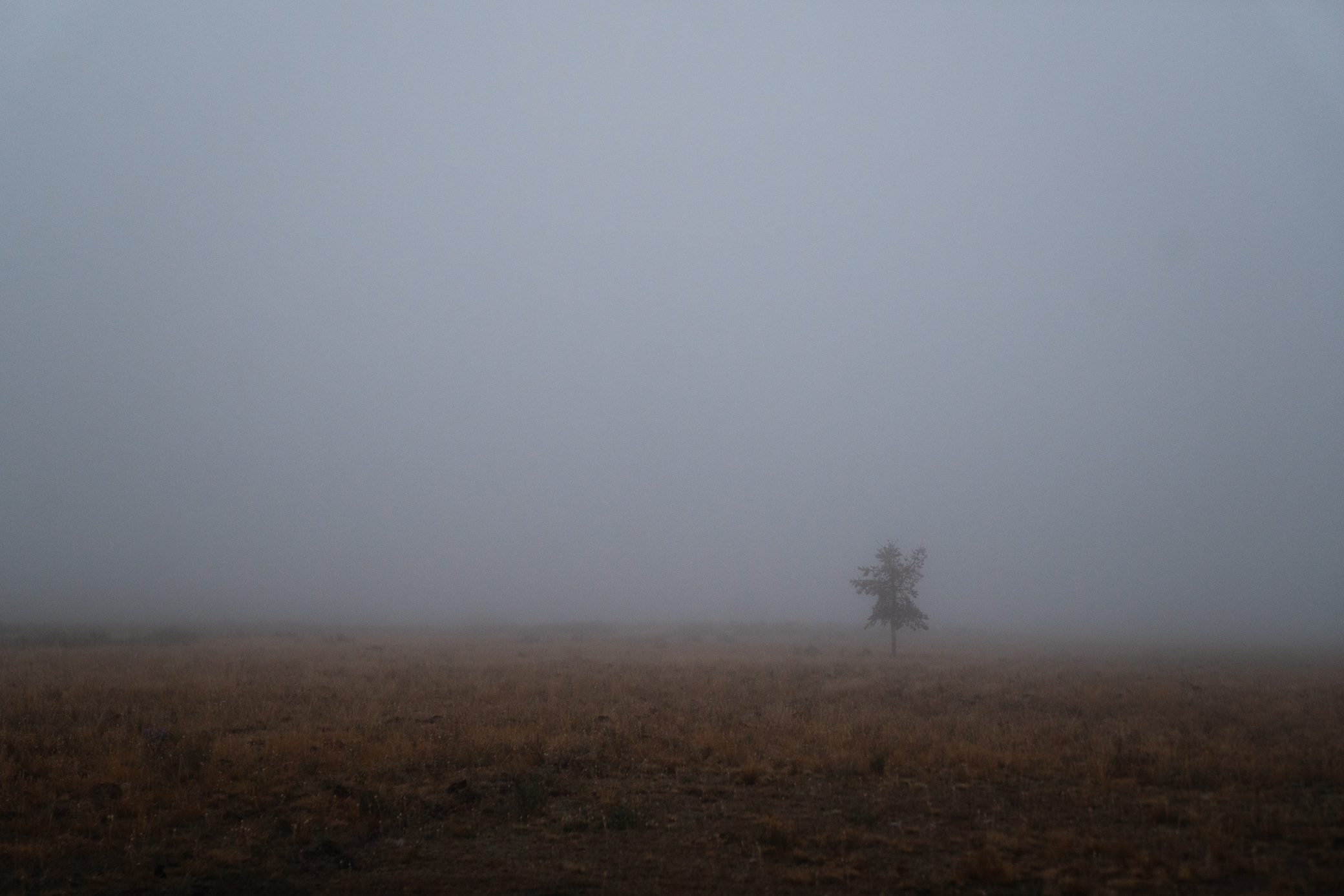
By the time I got things figured out in camp, I had one morning left. That morning greeted me with dense fog and only about 50 yards of visibility. I never got another chance at a pronghorn buck before heading back home to Arizona. Until next time.
I’m taking a page out of the book of pronghorn and putting my eyes well into the future after this trip. From now on, I’ll be creating a protocol for each new bow I receive. One that lends towards avoiding these pesky issues I’ve had in the past. I’ll be sharing that with you in the future. This isn’t the tag I’ve had not filled due to a bow coming out of tune in the field. You can’t control everything, but these are things that are largely avoidable.
What’s next? I’ve got a rifle mule deer tag in October that I am super excited for, and then after tha,t it’s back to the bow for bull elk in my home state of Arizona. Between now and then, you can bet I’ll be doing everything I can to make sure that my bow is ready for desert bulls. Good luck out there. Fall has just started!
Check out my books:
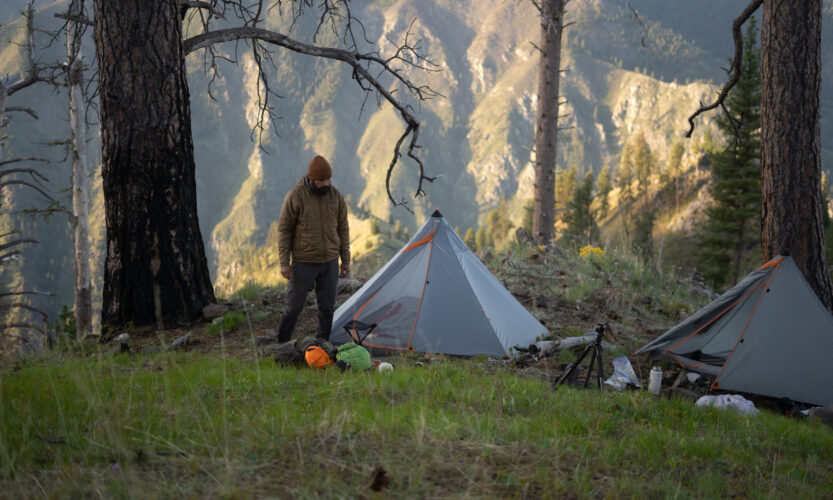
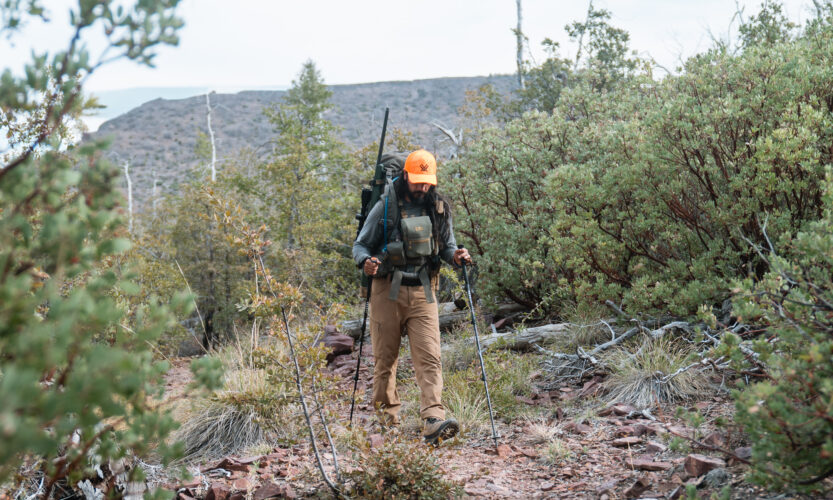
Filming a hunting adventure is not just about pointing the camera at a subject and hitting record. Well, it isn’t if you’re going for that more “film feel” rather than a video. In order to tap into the more artistic side of things, you’re going to want to know how to compose an image. This involves utilizing your eye, gear, and environment to create compelling footage that folks are drawn to look at.
In the video below, I run through a few tricks and rules in regards to image composition. I use these often in the field and don’t think they are too hard to digest for someone new behind a camera.
Time seems to fly by quicker year after year. I’m not sure if that’s a me thing or if time has been spending extra hours on its cardio. Whatever it may be, yet another Fall hunting season is about to kick off and I’m floored that it’s already here. You know what they say, though. Time waits for no man. So, let’s take advantage of every minute we have.
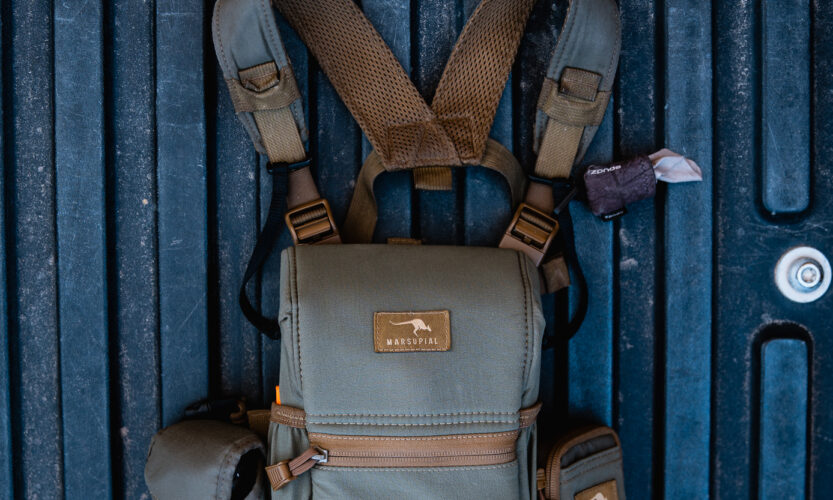
If you’re a western hunter and you aren’t running a bino pack, you are not only missing out, but missing the boat.
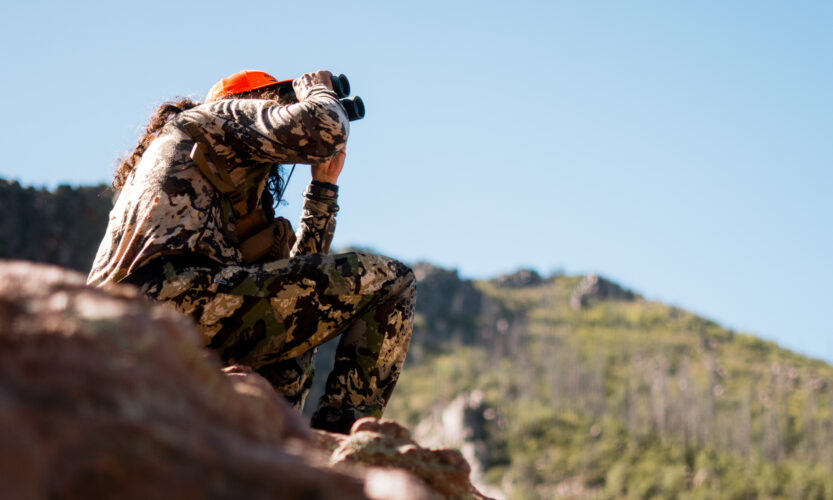
There are more and more people each year who are trying to film their hunts and preserve memories from the field. I think it’s awesome. With that said, I also know there are more than a few folks who have always thought about filming their hunts, and even wanted to film, but have never pulled the trigger. If that’s you, or you are just starting out with a camera, keep reading.
Usually, it’s just so overwhelming, right? That’s really the thing that holds people back. From all of the camera gear to all of the extra work it takes to film their hunt. It’s just too much and easier to purely focus on hunting. I get it. I was like that. Nowadays, though, most of my hunts are filmed, and I wouldn’t have it any other way.
With all of that said, I wanted to put together a sort of beginner’s guide for those interested in filming their hunts. A high-level jumping off point, if you would. And so I don’t write what would likely be similar to a novel in length, here’s an easy-to-digest video going over this!
I know, I know. There is a lot to dive into here after watching this. So, you can plan on more videos coming down the pipeline on the specifics. Remember, this is a marathon, not a race. Enjoy the process and learn every step of the way.
Check out my books:
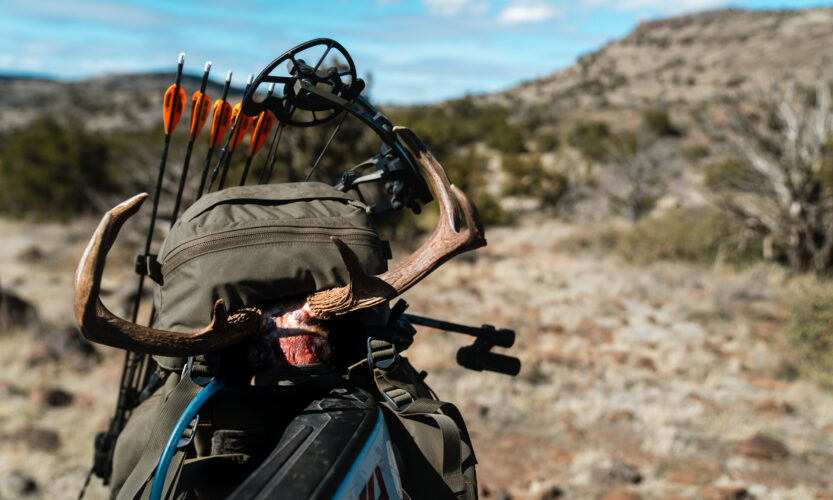
If there is one thing true about bowhunting, it’s that there’s no shortage of difficulty, and the learning curve is about as sharp as they get. In my first years of bowhunting, I encountered obstacle after obstacle, and there were many times when I thought, “What the heck am I doing out here?” If that’s you, keep reading for some real-world bowhunting tips that will help your game as a beginner.
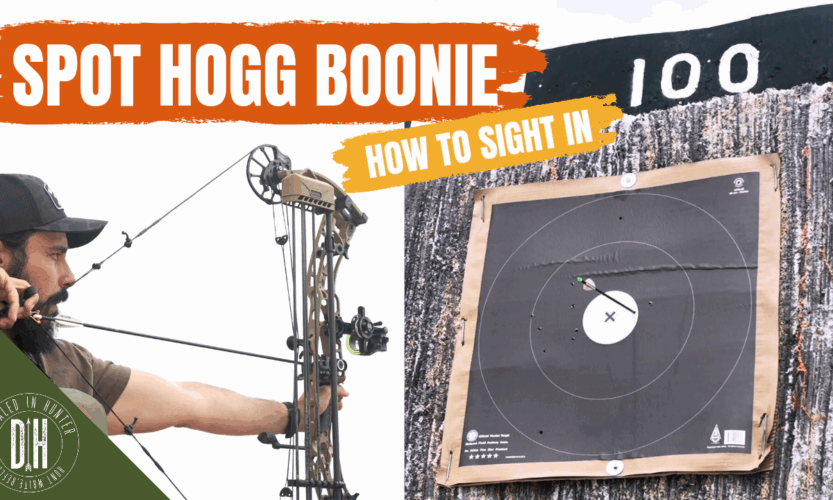
Hey, guys! Hope you all have had a great spring so far. Maybe you’ve been out chasing turkeys, maybe bear, or maybe both! Even better. Along with turkey and bear hunting, I look at spring time as the start of gear testing. I recently got a new bow sight and I am pretty excited about it so far. I went with the Spot Hogg Boonie 5-pin and have some pretty high hopes for it this season.
All bow sights need to be sighted in and there are a few common mistakes I see newbies make on a regular basis. They are as follows:


Copyright 2019 Dialed In Hunter
Design by NXNW.